

13.png
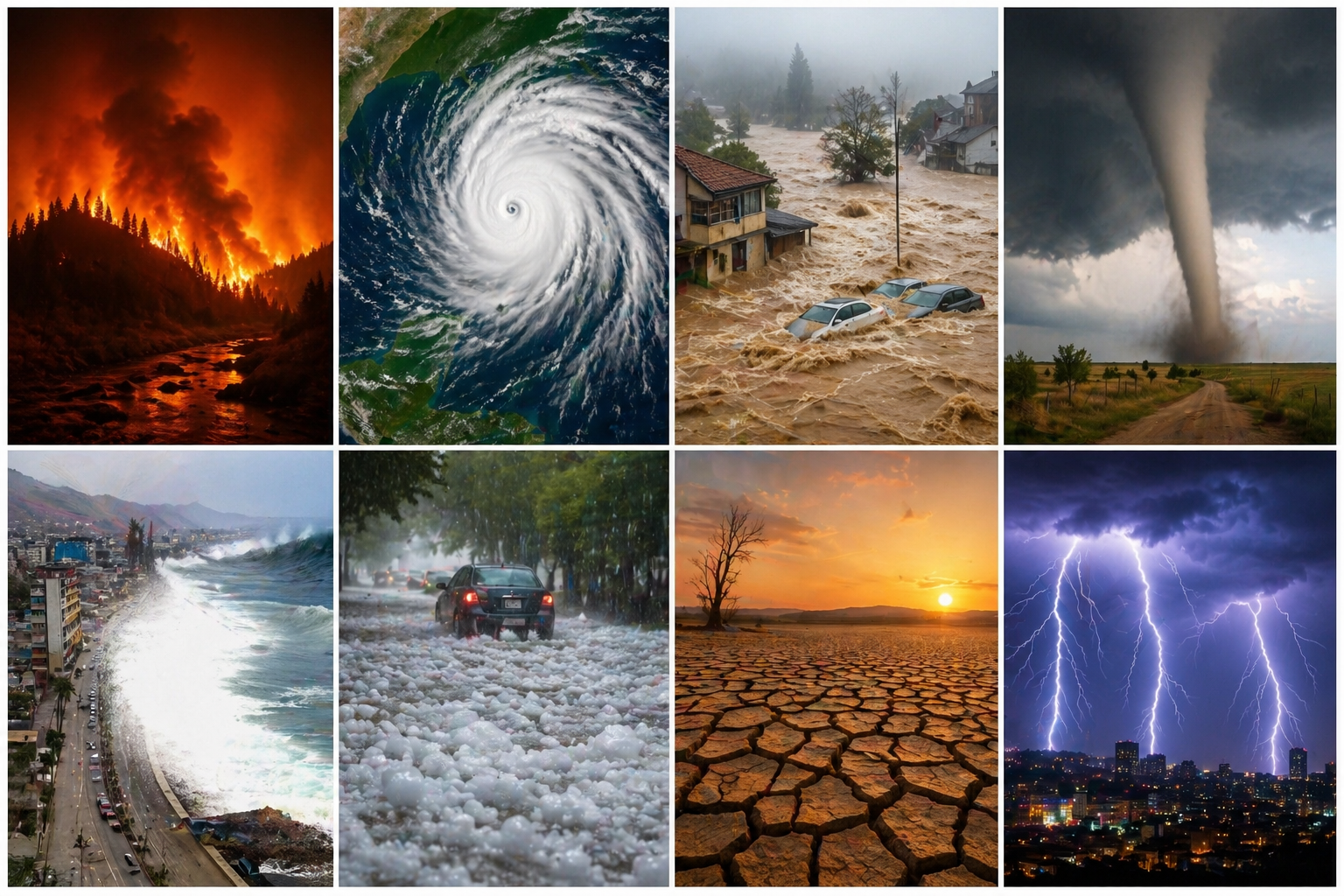

Climate Change theme is increasingly topical. Knowledge, adaptation, mitigation and innovation are the keywords of new university education projects that will address climate modeling, technologies to reduce emissions, renewable resources, sustainable materials and engineering designs for adaptation and resilience.
The University of Parma is once again opening its doors to the public for lectures on climate change, with classes resuming on 26 February 2026 to promote awareness of the climate crisis. Online and in the classroom every Thursday at 4.30 p.m.
The course is part of the Master's Degree Programme in Environmental and Land Engineering offered by the Department of Engineering and Architecture. It is taught by Stefano Caserini, the Rector's delegate on climate change, author of numerous scientific and popular publications, and co-editor of the journal Ingegneria dell'Ambiente (Environmental Engineering).
Parma, 14 February 2025 - The University of Parma opens its doors to all citizens for lectures on climate change, a course included in the Master's Degree Programme in Environmental and Land Engineering of the Department of Engineering and Architecture, taught by Stefano Caserini, the Rector's delegate on climate change, author of numerous scientific and popular publications, and co-editor of the journal Ingegneria dell'Ambiente (Environmental Engineering).
The IPCC link dedicated to the Special Report on Global Warming of 1.5 °C (SR15) brings together the complete set of official documentation published by the Intergovernmental Panel on Climate Change concerning the impacts of a 1.5 °C increase in global warming above pre‑industrial levels, compatible mitigation pathways, and implications for sustainable development. This section provides access to the full scientific report, individual thematic chapters, the Summary for Policymakers, the Technical Summary, as well as supporting materials such as methodological annexes, glossaries, frequently asked questions (FAQs), and errata. Taken as a whole, these documents represent a key scientific and institutional reference for understanding the current state of knowledge on climate change, the risks associated with rising global temperatures, and response options at global, regional, and sectoral levels, offering a shared and validated basis for the development of climate policies and adaptation and mitigation strategies.
The National Oceanography Centre (NOC) is one of the world’s top oceanographic institutions and has been in existence, in its various forms, for over six decades. NOC has an annual turnover of £80 million, employs over 700 staff, and is one of few research organisations globally that has the equipment and expertise to operate down to 6,000m.
Observational constraints project a ~50% AMOC weakening by the end of this century